How a Pizza Restaurant Uses Quality Cheese to Enhance Flavor
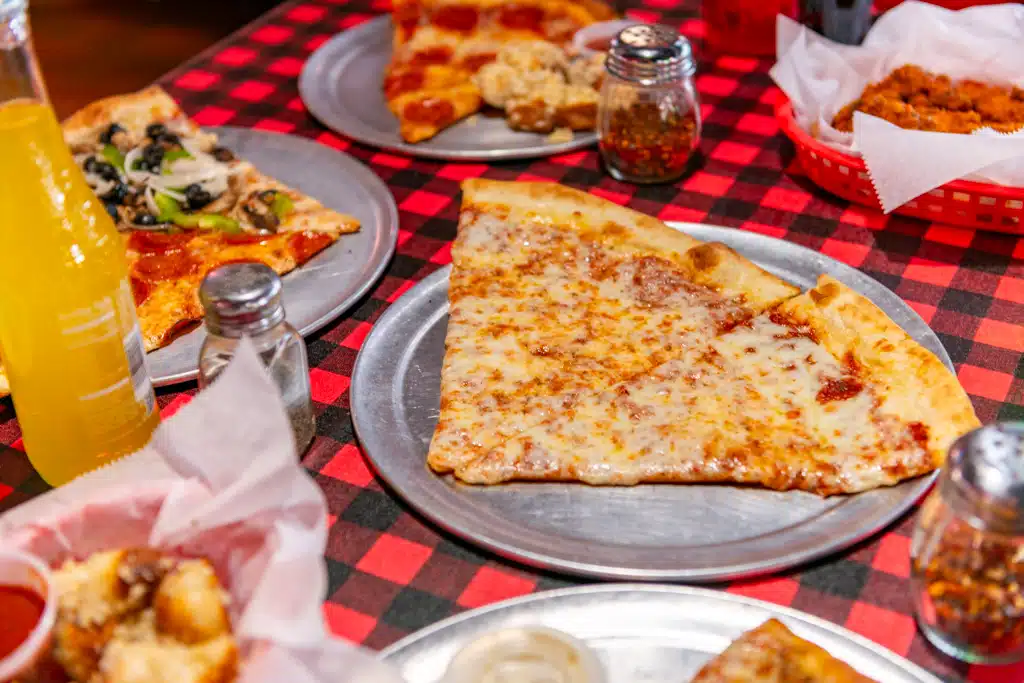
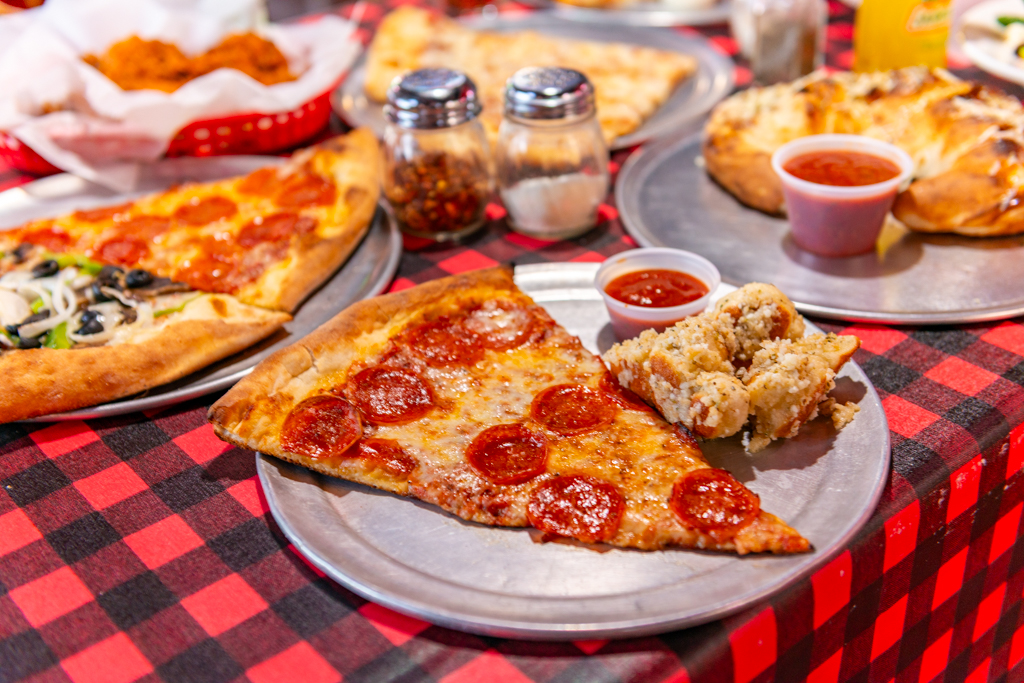

Cheese does far more in a pizza restaurant than cover dough and sauce. It binds the pie together, softens acidity in the tomatoes, carries aroma from the oven, and shapes the final texture with every bite. When people describe a memorable slice, they often talk about balance without realizing it. They mention the stretch, the browned spots, the creaminess, the way the cheese settles into the sauce instead of sitting on top like a separate layer. Those details rarely happen by accident.
Good cheese can make an ordinary pizza feel generous and complete. Poor cheese can flatten everything around it, even when the dough is well fermented and the sauce is carefully seasoned. That is why experienced operators treat cheese as an ingredient to manage with as much discipline as flour or fire. It is not just a topping. It is one of the central structural elements of the product.
The public often assumes that quality means using the most expensive cheese available. In practice, quality is more specific than that. It means choosing cheese with the right moisture, milkfat, salt level, age, and melt behavior for the style of pizza being served. A wood-fired margherita, a New York slice, a pan pizza, and a tavern-style pie can all require different decisions. What works beautifully in one oven can break in another. What tastes rich and balanced on a 10-inch pizza may feel heavy on an 18-inch pie.
That is where skill comes in. A strong pizza restaurant learns how cheese behaves under heat, how it interacts with sauce and dough, and how to buy, store, and portion it so the final product stays consistent from the first pie of the lunch rush to the last order before close.
Flavor starts with the milk
The quality of cheese begins long before it reaches the shredder. Milk composition matters. Cows’ diet, seasonal variation, regional processing standards, and production method all leave a mark on flavor and performance. Even customers who could not identify these variables by name can taste the difference between a cheese that has depth and one that tastes flat.
Mozzarella remains the benchmark for most pizza because it melts smoothly and provides a clean dairy flavor that does not overpower the rest of the pie. But not all mozzarella tastes the same. Low-moisture mozzarella, the backbone of many American pizza operations, can range from milky and slightly tangy to salty and rubbery. A well-made low-moisture mozzarella has enough richness to support the sauce but enough restraint to let the crust still matter.
Fresh mozzarella offers a different experience. It brings a lactic, almost sweet dairy note and a softer bite. On the right pizza, especially one baked hot and fast, it creates pockets of creaminess that feel luxurious. On the wrong pizza, or used in the wrong quantity, it can leak water into the center and leave the crust soggy. That trade-off matters. The issue is not whether fresh mozzarella is better. The issue is whether it suits the style, bake, and workflow of the restaurant.
A seasoned operator also pays attention to age. Cheese that is too young can taste bland and may release moisture unpredictably. Cheese that is too old can oil off quickly, brown too fast, or turn sharp in a way that throws the pizza out of balance. There is usually a sweet spot where flavor, melt, and handling all line up.
Melt is not just appearance
Customers notice a cheese pull because it photographs well and signals indulgence. But melt matters for more than visual appeal. The way cheese softens and spreads changes how each ingredient lands on the palate. A proper melt helps the sauce and toppings integrate into one bite. A poor melt creates separation, where the cheese slides off in one sheet and leaves the crust bare underneath.
This is one of the clearest places where quality shows up in a pizza restaurant. Better cheese tends to melt more evenly, with fewer greasy pools and fewer scorched patches. That gives the pie a smoother texture and a more balanced taste. When cheese breaks under heat, fat can separate from protein and rise to the surface. A little free oil is normal, especially on a hotter bake, but too much leaves the pizza heavy and one-dimensional. Instead of tasting dairy richness, the customer tastes grease.
Oven type changes this equation. Deck ovens, conveyor ovens, and wood-fired ovens all expose cheese to heat differently. In a deck oven, the slower bake gives cheese more time to melt into the pie. In a high-heat wood-fired oven, the top heat can blister cheese rapidly before internal moisture has fully redistributed. That means a cheese that performs beautifully at 550 degrees may behave poorly at 800. Operators who understand this do not just ask for “premium mozzarella.” They ask how a specific cheese performs at their bake time and temperature.
There is also the issue of shred size. Fine shred melts faster and covers the pie more completely. Coarser shred creates more texture and can brown differently. Some kitchens blend sizes for better coverage and more attractive finish. That sounds minor until you taste two otherwise identical pizzas side by side. One eats smooth and cohesive. The other feels patchy.
The best pizza restaurants rarely rely on one cheese alone
Blending cheese is one of the oldest quiet techniques in the business. It gives a pizza restaurant room to shape flavor, browning, texture, and cost all at once. Mozzarella may remain the base, but a small percentage of provolone can add savory depth. Fontina can bring supple richness. Pecorino or parmesan can sharpen the finish and lift the aroma. Even a touch of cheddar, used carefully in the right regional style, can add color and tang.
The key is restraint. A blend should taste intentional, not muddy. It is easy to overbuild a cheese mix until everything becomes loud and salty. Stronger cheeses work best when they support rather than dominate. Ten percent of a more assertive cheese can change the entire profile of a pie. Thirty percent might drown the sauce.
A shop I once watched during a menu revision learned this quickly. The owner wanted a more distinctive house flavor and added a generous layer of aged provolone into the base blend. During tasting, the first bite seemed impressive. By the third slice, though, the salt and sharpness built up. The crust, which had been carefully developed over two days of fermentation, disappeared behind the dairy. They pulled the ratio back substantially, added a finer finishing dust of parmesan after the bake, and found a better result. The pie tasted fuller, but still like itself.
That kind of adjustment defines serious pizza work. The goal is not to make the cheese announce itself at every moment. The goal is to make the whole pizza taste more complete.
Browning, blistering, and the flavor of heat
When cheese browns properly, it gains nutty, toasted notes that deepen the entire pizza. Those browned spots are not merely cosmetic. They contribute real flavor through caramelization and protein reactions that create complexity. This is one reason quality cheese matters so much. Cheese with the right composition browns attractively and tastes richer as it does so. Lower-grade products often jump from pale to burnt without much nuance in between.
A pizza restaurant that values consistency watches this closely. Browning is influenced by sugar content, moisture level, and oven heat, but also by how cold the cheese is when it hits the pie. Very cold cheese can bake differently than cheese tempered slightly during service. Kitchens with disciplined prep routines often see better and more repeatable results for that reason alone.
Blistering is another area where context matters. On a Neapolitan-style pizza, a few wet white pockets of fresh mozzarella can be appealing because the pie is meant to feel soft and delicate. On a slice-shop pie, customers generally want even melt and broad coverage. Quality means meeting the expectation of the style, not forcing every pizza toward the same visual standard.
Quality control begins in the walk-in
Restaurants that struggle with cheese often blame the supplier first. Sometimes the real problem starts in storage. Cheese is sensitive. Temperature fluctuations, poor rotation, improper wrapping, and inconsistent shredding all affect flavor and performance. A well-run pizza restaurant trains staff to treat cheese as a perishable craft ingredient, not a shelf-stable commodity.
If cheese dries out in the walk-in, it can toughen and brown unevenly. If it absorbs surrounding odors, the final pie can carry off flavors that customers notice immediately, even if they cannot name them. If pre-shredded cheese sits too long, the surface can clump, and anti-caking agents can subtly affect melt. Many operators prefer to shred in-house when volume and labor allow. That gives better control over texture and freshness, though it also introduces added prep time and equipment cleaning.
Portioning matters just as much. An extra ounce or two of cheese may not sound like much, but over hundreds of pies it changes food cost significantly and can make the pizza eat heavier than intended. More cheese does not automatically create more flavor. Past a certain point, it dulls the sauce, burdens the crust, and leaves the center floppy. Skilled kitchens aim for the amount that creates complete coverage and proper melt, then stop.
This discipline can surprise customers. They see a balanced pie and assume generosity means piling on as much cheese as possible. In reality, restraint often tastes richer because the whole pizza remains in proportion.
Sauce and cheese are in constant conversation
A pizza restaurant does not choose cheese in isolation. Sauce style shapes the right decision. Bright, acidic tomato sauce pairs well with a mellow, creamy mozzarella because the dairy rounds the sharp edges. A sweeter sauce can benefit from a slightly tangier cheese to keep the pie from feeling soft or sugary. If the sauce includes herbs, garlic, or chile, the cheese has to support that profile without turning the bite muddy.
This interplay becomes even more important on specialty pies. White pizzas rely on cheese even more heavily because there is no tomato acidity to cut through the richness. That demands careful handling. Ricotta, mozzarella, provolone, and finishing cheeses each bring different weights to the palate. Without contrast from lemon, greens, roasted garlic, or restrained seasoning, the pie can become monotonous halfway through.
On the other hand, a spicy pie with hot soppressata or pickled peppers may need a calmer cheese blend so the toppings can lead. The best pizzas do not stack strong ingredient on top of strong ingredient without a plan. They create tension and relief. Cheese often provides the relief.
Regional styles prove there is no single standard
Spend time around different pizza traditions and the idea of one perfect cheese falls apart. New York-style operators often prefer low-moisture whole milk mozzarella for its balance of melt, flavor, and slice stability. Some fold in part-skim for structure, especially on larger pies. Detroit-style shops may use brick cheese or blends designed to maximize edge caramelization and pan contact. Neapolitan pizzerias usually turn to fresh mozzarella or fior di latte for a lighter, softer expression. Tavern-style operations may go for a drier melt that supports a crisp, thin crust and square cut.
Each choice reflects a different goal. The issue is not whether a cheese is universally better, but whether it supports the architecture of that style. A cheese that makes a beautiful wood-fired pizza may ruin a by-the-slice operation because it releases too much moisture during holding. A drier, firmer cheese that works on a display pie may feel uninspired on a pizza meant to be eaten seconds after leaving the oven.
This is where many younger operators make costly mistakes. They taste a great pizza somewhere else, buy the same cheese, and assume the result will transfer. It rarely does. Water chemistry, dough formula, oven setup, bake time, sauce recipe, and even local customer preference all affect the final outcome. Experience teaches humility fast.
Cost matters, but cheap cheese is usually expensive in the long run
Cheese is one of the biggest line items in pizza food cost, so the pressure to buy cheaper product is constant. That pressure gets stronger when dairy prices rise, which they periodically do. The temptation is understandable. Yet low-cost cheese often creates hidden losses.
Inferior cheese can force heavier application because the flavor is weak. It may bake inconsistently, leading to waste and remakes. It can shorten hold quality on slices, hurt customer perception, and erode repeat business in a category where people compare shops ruthlessly. Saving a little per pound means very little if guests remember the pizza as greasy, rubbery, or bland.
That does not mean every pizza restaurant should buy the highest-priced artisan cheese on the market. It means operators need to judge value properly. Sometimes a mid-priced cheese with excellent melt and dependable flavor outperforms a pricier one that is poorly suited to the shop’s oven and style. Smart purchasing depends on testing, not assumptions.
I have seen owners run side-by-side bakes with three cheeses at different price points and get surprising results. The cheapest one browned fast but tasted hollow. The most expensive one had lovely flavor, but softened too much for lunch slice service. The middle option delivered the best total performance. Those are the tests that matter, because they tie cost to actual guest experience.
Customers may not name the cheese, but they recognize the result
Most diners will not ask whether a pizza uses whole milk or part-skim mozzarella, or whether the finishing dust includes aged pecorino. They will simply decide whether the pizza feels satisfying. They will remember whether the slice held together, whether it tasted rich without feeling greasy, and whether the dairy flavor seemed fresh and clean.
That memory drives loyalty. In a crowded market, especially in cities where every block seems to have a pizza restaurant, texture and flavor consistency become a form of branding. People come back to the place where the cheese tastes right. They may describe it casually, saying the pizza is “creamier,” “less heavy,” or “better balanced.” Behind those words is a chain of technical choices made well.
There is also an emotional element. Cheese carries comfort. The smell of browning mozzarella and toasted crust is one of the most recognizable aromas in food service. When a restaurant gets it right, the pizza feels abundant even when the topping list is simple. A plain cheese pie can become the strongest proof of quality because there is nowhere to hide.
Simplicity exposes standards
A heavily topped pizza can cover a lot of flaws. Extra meats, sauces, and vegetables distract the palate. A basic cheese pizza does the opposite. It exposes everything. Dough fermentation, sauce seasoning, cheese quality, and bake control all stand in the open. That is why many experienced owners judge a shop by its plain pie first.
When the cheese is high quality and properly handled, the result is almost effortless to eat. The bite begins with aroma, then moves through a gentle tang from the sauce, a rounded dairy sweetness, a toasted note from browning, and finally the grain and char of the crust. Nothing fights. Nothing sticks out for the wrong reason. The slice bends the right way, cools at the right pace, and stays pleasant through the last bite.
Achieving that consistency is not glamorous. It depends on procurement, staff training, storage discipline, bake awareness, and constant tasting. It depends on rejecting the idea that cheese is interchangeable. In a serious pizza restaurant, it never is.
Why quality cheese remains one of the best investments on the menu
Restaurants can spend heavily on marketing, interior design, and specialty toppings, yet the impression customers carry home often comes down to the fundamentals. Cheese sits near the top of that list because it influences flavor, texture, aroma, and visual appeal all at once. Few ingredients have that much reach.
For the operator, investing in quality cheese is https://augustzcxx353.yousher.com/how-a-pizza-restaurant-crafts-signature-flavor-combinations really an investment in the integrity of the product. It protects the work already done in the dough and sauce. It creates a more distinct identity. It reduces the need to compensate with excess salt, oil, or toppings. Most importantly, it gives customers a pizza that tastes thoughtful rather than assembled.
That difference shows up in quiet ways. The pie finishes cleaner. The crust stays present. The sauce feels brighter. Guests order the cheese pizza with confidence, not just as a default. And when they recommend the place to someone else, they usually do not mention moisture content or fat ratio. They say the pizza tastes better.
For a pizza restaurant, that is the whole point.
RUFFRANO'S HELL'S KITCHEN PIZZA Security
385 Main St, Colorado Springs, CO 80911
(719) 390-4355
FAQ About pizza restaurant
Is there a Hell's Kitchen pizza restaurant in Security-Widefield?
Yes. Ruffrano's Hell's Kitchen Pizza has a Security-Widefield location at 385 Main St.
Where can I find pizza delivery in Security-Widefield?
Ruffrano's Security location offers online ordering. Enter your address at checkout to check delivery availability and fees.
Where can I find gluten-free pizza in Security-Widefield?
Ruffrano's menu lists a 12-inch gluten-free option. Call the Security location to confirm availability and ask about shared equipment if cross-contact is a concern.